
FROM SFLA NEWS

Olivia D'Angelo - 12 May 2026
Students for Life of America (SFLA) has been the leader of the call for the federal government to address the Chemical Abortion Pills tainting our waterways.
Every year, over 50 tons of chemically tainted placental tissue, blood, and human remains from mifepristone abortions are flushed into our waterways.
This pollution causes active metabolites in mifepristone, the Chemical Abortion Pill that blocks the pregnancy-supporting hormone progesterone, to enter our waterways. Our soon-to-be-published water testing shows that these metabolites are in our wastewater and tap water, meaning we are ingesting byproducts from Chemical Abortion Pills on a daily basis.
Not only this, but the metabolites are going into our environment to be ingested by animals, including endangered species who cannot afford risks to their fertility.
Despite these risks, the FDA and EPA never tested how this chemically tainted water could affect the health of the humans and animals that drink it. With the U.S. fertility rate being the lowest it has ever been, it is time that the government follow its own rules and keep us, our children, and endangered species out of harm’s way.
From submitting a comment to the Environmental Protection Agency (EPA) demanding tracking of Chemical Abortion Pills in our water to filing an amicus brief warning of the dangers Chemical Abortion Pills pose to human and environmental health, SFLA has brought the clean water conversation to the national stage of pro-life activism.
But what exactly are the United States’ laws on water, and what does that have to do with the pro-life cause?
Safe Drinking Water Act
The Safe Drinking Water Act (SDWA) of 1974 was passed with public health in mind. Regulating the drinking water supply, the bill ensures that our water sources are free from harmful amounts of natural and manmade contaminants.
The law requires a team effort to enforce, regulating the behaviors and oversight of water systems at the state and federal level, but primary authority is given to the EPA to set the health standards for clean drinking water.
In compliance with the SDWA, the EPA tracks and addresses multiple “threats to drinking water,” including “improperly disposed of chemicals; animal wastes; pesticides’ human threats’ wastes injected underground; and naturally occurring substances… likewise, drinking water that is not properly treated or disinfected, or which travels through an improperly maintained distribution system….”
Methods of regulation and monitoring our waterways include regular testing and assessments of water quality and soundness of treatment plants and water systems.
New contaminants are evaluated every five years for inclusion on the EPA’s Contaminant Candidate List (CCL). The EPA is currently reviewing contaminants for addition and accepting public comment. So SFLA jumped on the opportunity to push the EPA to add mifepristone to the CCL because of its hormone-blocking, sterilizing metabolites that remain active in our waterways.
Clean Water Act
The other main law that ensures our water is safe is the Clean Water Act (CWA) of 1972. This law broadly addresses pollutants entering all United States waters and sets “quality standards for surface waters.”
The CWA set standards for industry pollutant dumping and management to ensure water quality, as well as sets legal punishments for those who discharge pollutants into waterways without a permit.
This law is maintained through compliance monitoring, investigations, and inspections. And SFLA filed a petition with the EPA demanding action by the federal government to address mifepristone in water under the CWA.
Endangered Species Act
The Endangered Species Act was passed in 1973 to protect plant and animal species facing severe population decline or even extinction. The U.S. Fish and Wildlife Service maintains a list of endangered and threatened species.
The ESA “requires federal agencies… to ensure that actions they authorize, fund, or carry out are not likely to jeopardize the continued existence of any listed species or result in the destruction or adverse modification of designated critical habitat of such species,” according to the EPA.
Additionally, the ESA prevents other interference with endangered species, such as taking the listed species or using them in commerce (e.g., selling them as products).
Under this law, many different government actions are scrutinized to determine whether they may affect listed species. This includes regulating everything from the use of pesticides to (you guessed it) water pollution, usage, and management.
SFLA: A Leader in Protecting Our Water from Chemical Abortion Pill Pollution
SFLA has spearheaded the fight against Chemical Abortion Pill water pollution. We have led the charge with a comment to the EPA calling for mifepristone to be added to the EPA’s Contaminant Candidate List to be tracked and monitored by the government to ensure the health of Americans. We also filed an amicus brief bringing attention to the harms Chemical Abortion Pills pose to not only humans, but the environment and endangered species.
Every life deserves a chance, and that life requires healthy drinking water to survive. It’s time we hold our government accountable for the harm it has allowed Chemical Abortion Pills to have on its nation’s life.
READ MORE ABOUT SFLA’S WORK TO PROTECT OUR WATER FROM CHEMICAL ABORTION PILL POLLUTION:
READ: Every State Should Want Clean Water — If Not For Us, For Our Nation’s Endangered Species
Share this post
Recent Posts

WEAR THE TRUTH: WNBA Berates Mother & Daughter for Wearing Shirts Saying Sex is Binary and Unchangeable
21 Aug 2026
Kristan Hawkins Joins ‘The Charlie Kirk Show’ to Discuss Being Kicked Out of Cafe, Compared to KKK for Being Pro-Life
19 Aug 2026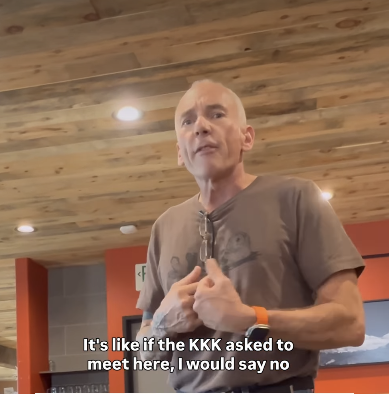
Students for Life President & Children Kicked out of Idaho Coffee Shop by Owner Who Compared Pro-Life Americans to the KKK
17 Aug 2026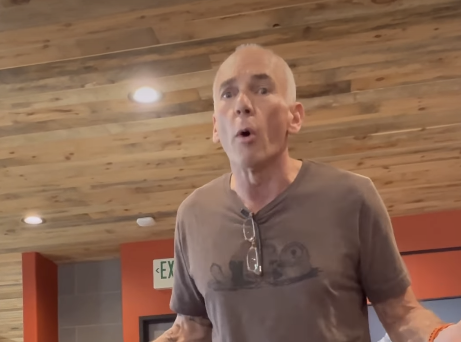
Kristan Hawkins & Children KICKED OUT of Idaho Cafe, Compared to KKK for Being Pro-Life
17 Aug 2026Categories
Abortion Death
about
Adverse Diagnosis
Assisted Suicide
Blog
Blogroll
Catholic
Celebrity
Chemical Abortion
Closing Abortion Facilities
college
College Students
Commentary
Conferences
Conscience Rights
Court
Diaper
End Student Abortions
Endangered Species
Entertainment
Environment
Events
Fall Med Tour
Featured
Free-Speech
high school
High School Students
Home
Idaho
Illinois
In the News
IVF
law students
Laws
Leaders
leadership
Med & Law
Med Students
Middle School
Must Reads
News
Planned Parenthood
Planned Parenthood Education
pro-life
ProLife Laws
Reducing Planned Parenthood's Influence
SFLA in the News
SFLA Press Feature
Spring Tour
Stem Cell Research
Students for Life Action
Subsites
Supporters
Supreme Court
Surrogacy
threats
Uncategorized
Virtual Media Package
Wrongful Death