
FROM SFLA NEWS
Olivia D'Angelo - 07 May 2026
America is a country of animal lovers.
So much so that Oregon is advancing a proposed ballot initiative that would get rid of exemptions to animal cruelty laws in an attempt to reduce ”animal abuse, animal neglect, and animal sexual assault” and “improve their quality of life.” The initiative has garnered criticism for the outsized impact it would have on agriculture and fishing, even causing common practices in the industries to be criminalized.
While some see this as a step too far, it does raise an important question: are we really considering all the ways animals — especially endangered species — are impacted by human activities?
Federal law doesn’t just protect humans from environmental harm — it also protects animals. Endangered species are protected by various laws, the Endangered Species Act (ESA) being the most well-known.
That matters in light of growing concern over toxins present in our water. While water regulation has historically focused on industrial chemicals that may be discharged into the environment, developing research shows additional risk from pharmaceuticals that end up in wastewater, potentially affecting human fertility and health overall.
These concerns don’t apply to just humans, but to animals, including endangered species.
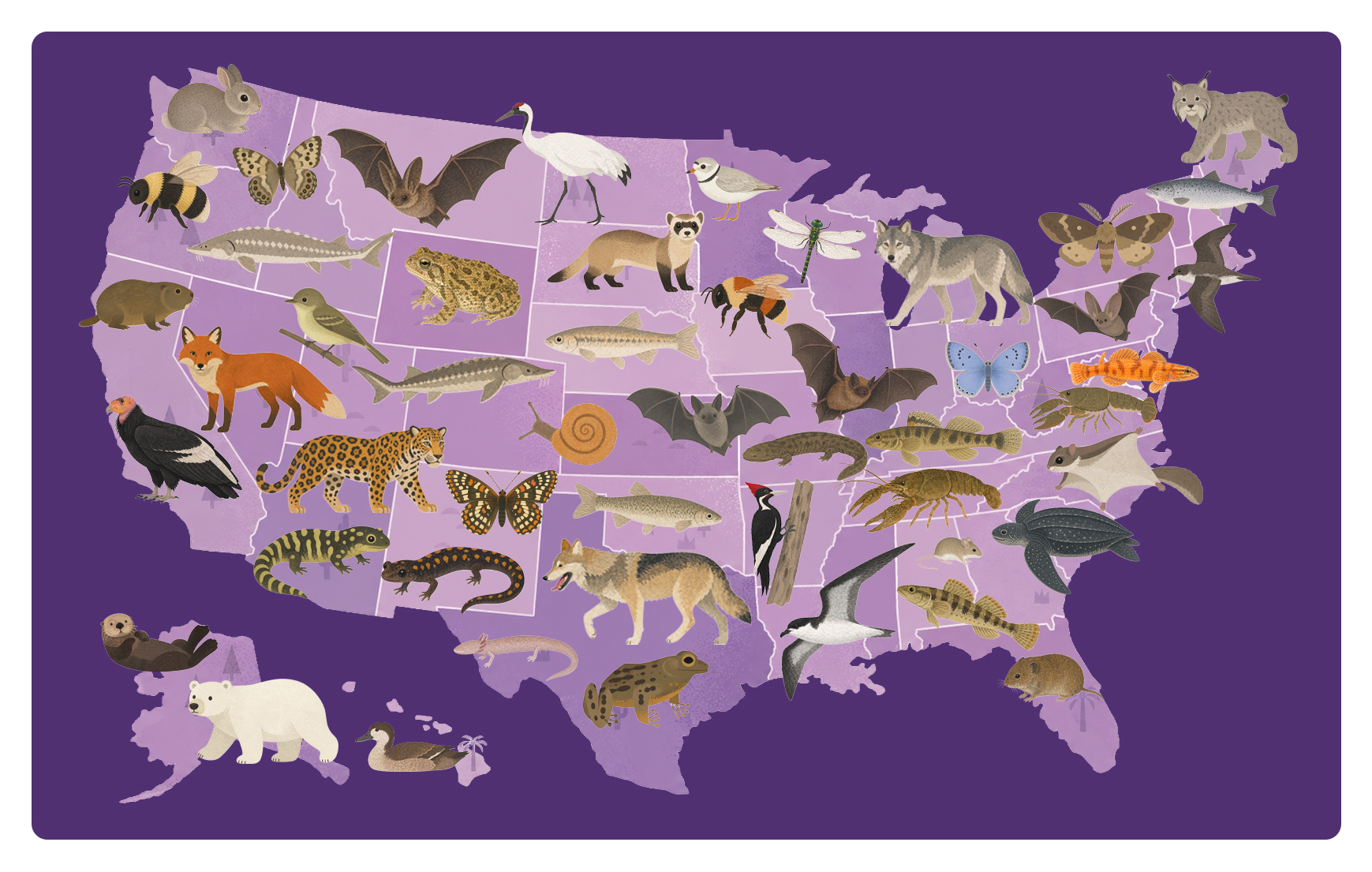
Every single state has endangered and threatened animal species that cannot afford to be exposed to anything that will prevent their reproduction.
And if there’s any drug we should be focused on in this regard, it’s Chemical Abortion Pills: drugs that are specifically designed to kill.
The metabolites in Chemical Abortion Pills block the hormone progesterone, which is necessary to maintain pregnancies in both humans and animals. Those metabolites stay active after they leave the body and enter our water.
Students for Life (SFL) has been working hard to bring attention to the presence of Chemical Abortion Pills in our water. More than 50 tons of abortion pollution — including placental tissue, blood, and human remains — are dumped into our waterways each year.
Our peer-reviewed water study (soon to be published) showed the presence of these pharmaceuticals in natural waterways both upstream and downstream from water waste treatment plants, as well as in our tap water.
Because of the effect this could have on public health and fertility, Students for Life is pushing for Chemical Abortion Pills to be added to the EPA’s contaminant list to make sure our water is safe for all our country’s residents, including endangered species.
There are nearly 1,500 endangered species in the United States, according to the Fish and Wildlife Service.
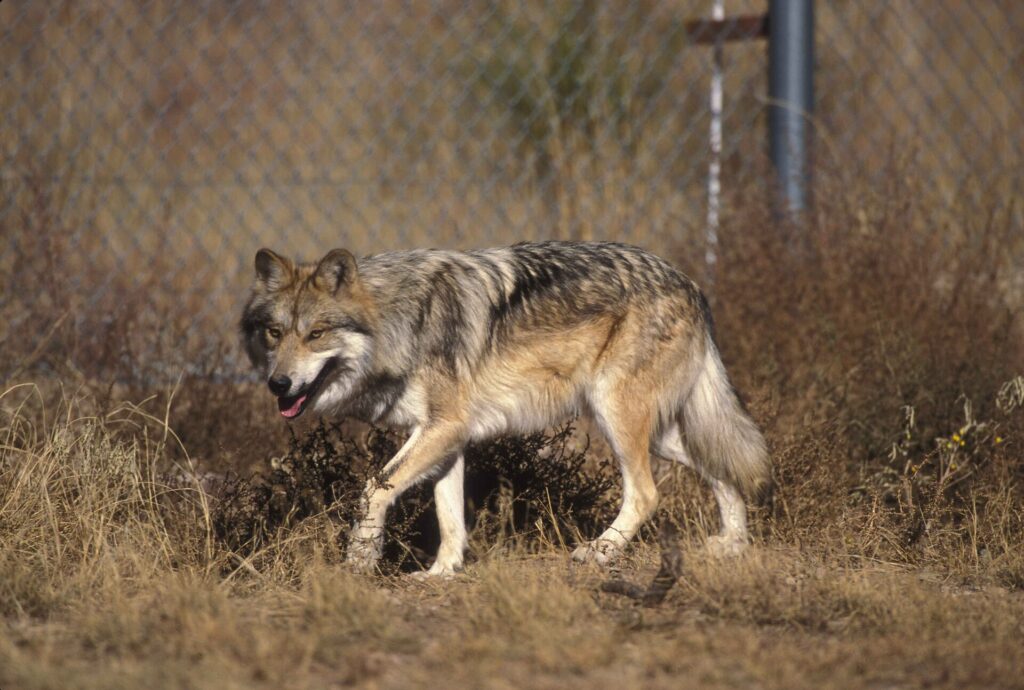
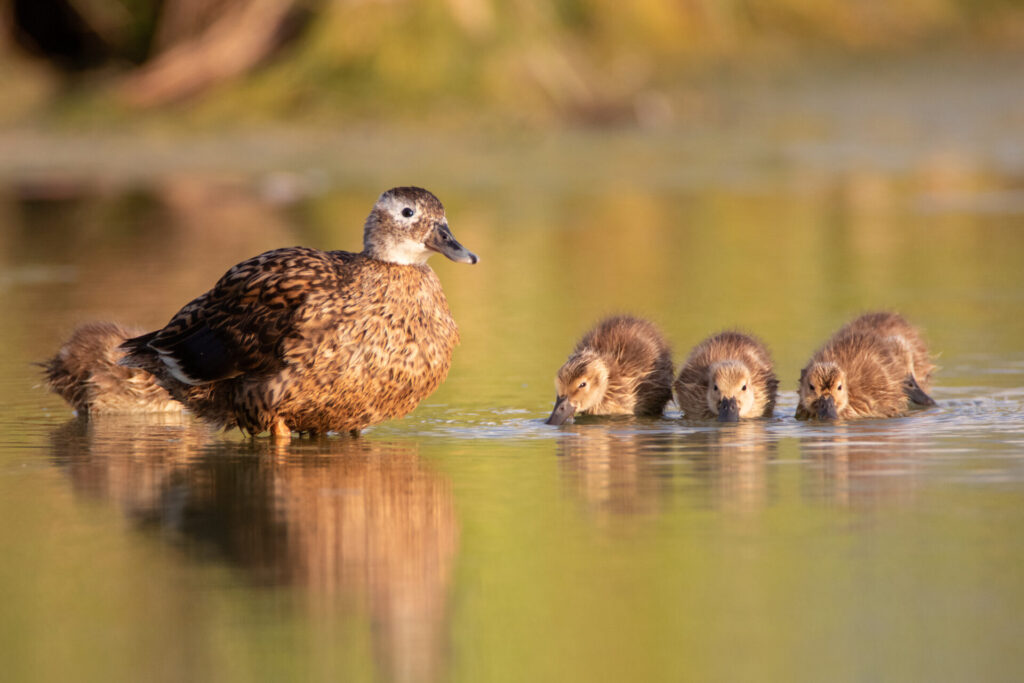
These include animals from the Mexican wolf and jaguar in the Southwest to the rusty patched bumble bee across the East and Midwest to the Laysan duck in Hawaii.
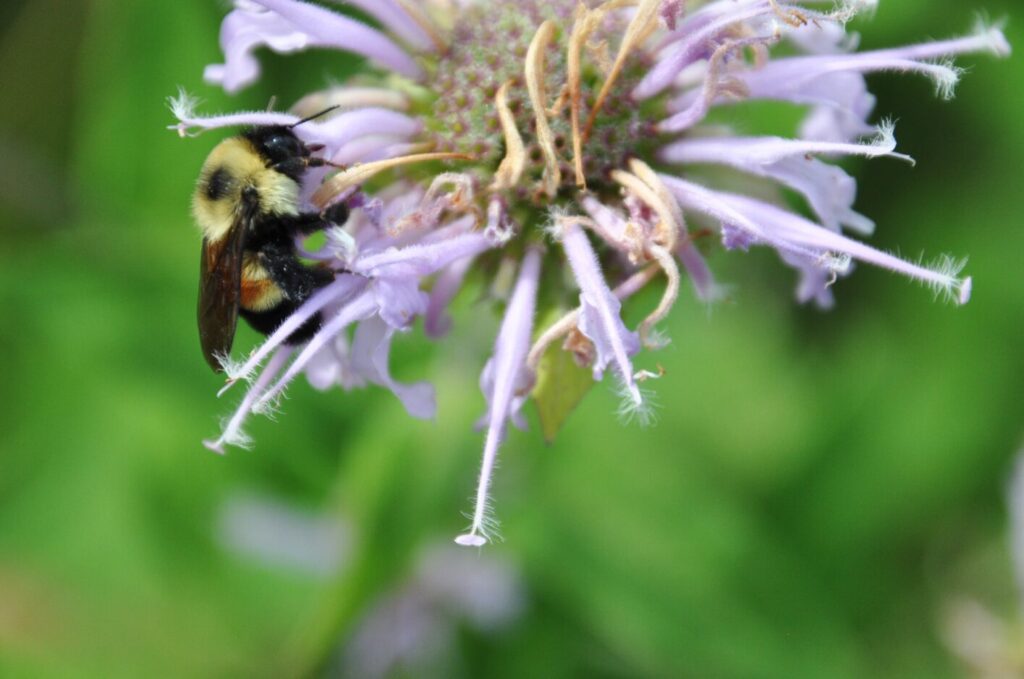

All of these animals, regardless of species or location, require clean water and a chance to reproduce to escape their approaching extinction.
But these are not the only species affected by reckless government policy. Endangered and threatened species exist in every state in the country, meaning this is an issue no state can ignore.
To view endangered and threatened species in your state or territory, click on the corresponding link in the list below:
It is our government’s responsibility to protect the vulnerable — even if they are nonhuman. The FDA must uphold the Clean Water Act and the Endangered Species Act by reviewing mifepristone’s presence in the water.
Students for Life of America has called on the EPA to monitor mifepristone in our drinking water as part of the “Safe Drinking Water Act” contaminants of concern review, as well as collected over 1,700 comments from the public to urge their action. SFLA also submitted a comment as part of the EPA’s comment period on adding new contaminants to their tracking list.
Clean water impacts us all – man, women, and children – as well as the plant, animal, and aquatic life that shares our planet. You don’t have to be pro-life to want crystal clear water.
CLICK HERE TO VIEW THE DRAFT EPA CONTAMINANT CANDIDATE LIST
READ MORE: What Do Animal Rights Activists and Pro-Lifers Have in Common? More Than You Might Think
Share this post
Recent Posts
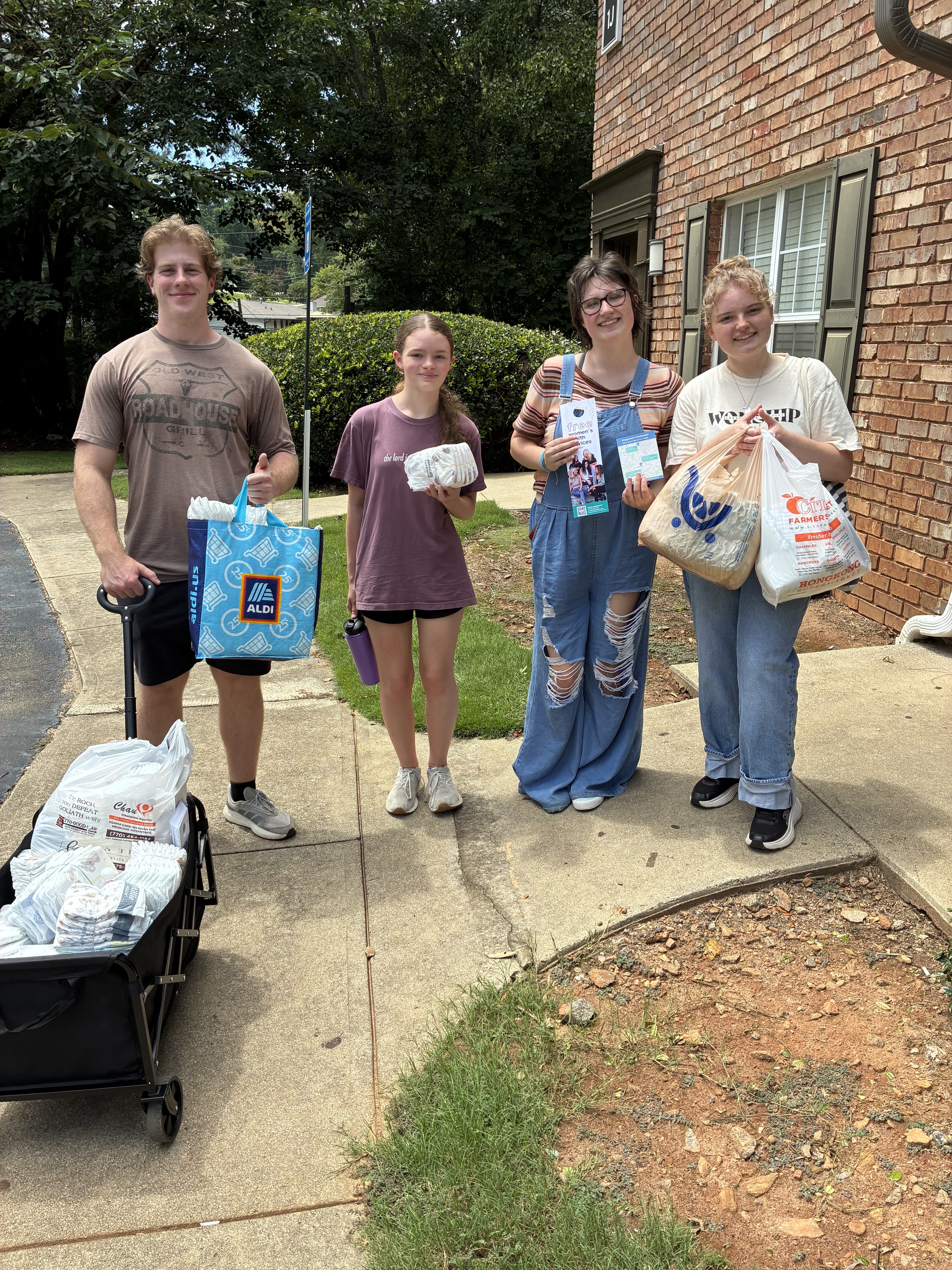
She Was in Labor When We Knocked! Powerful Stories From Our 2026 Summer of Service
16 Oct 2026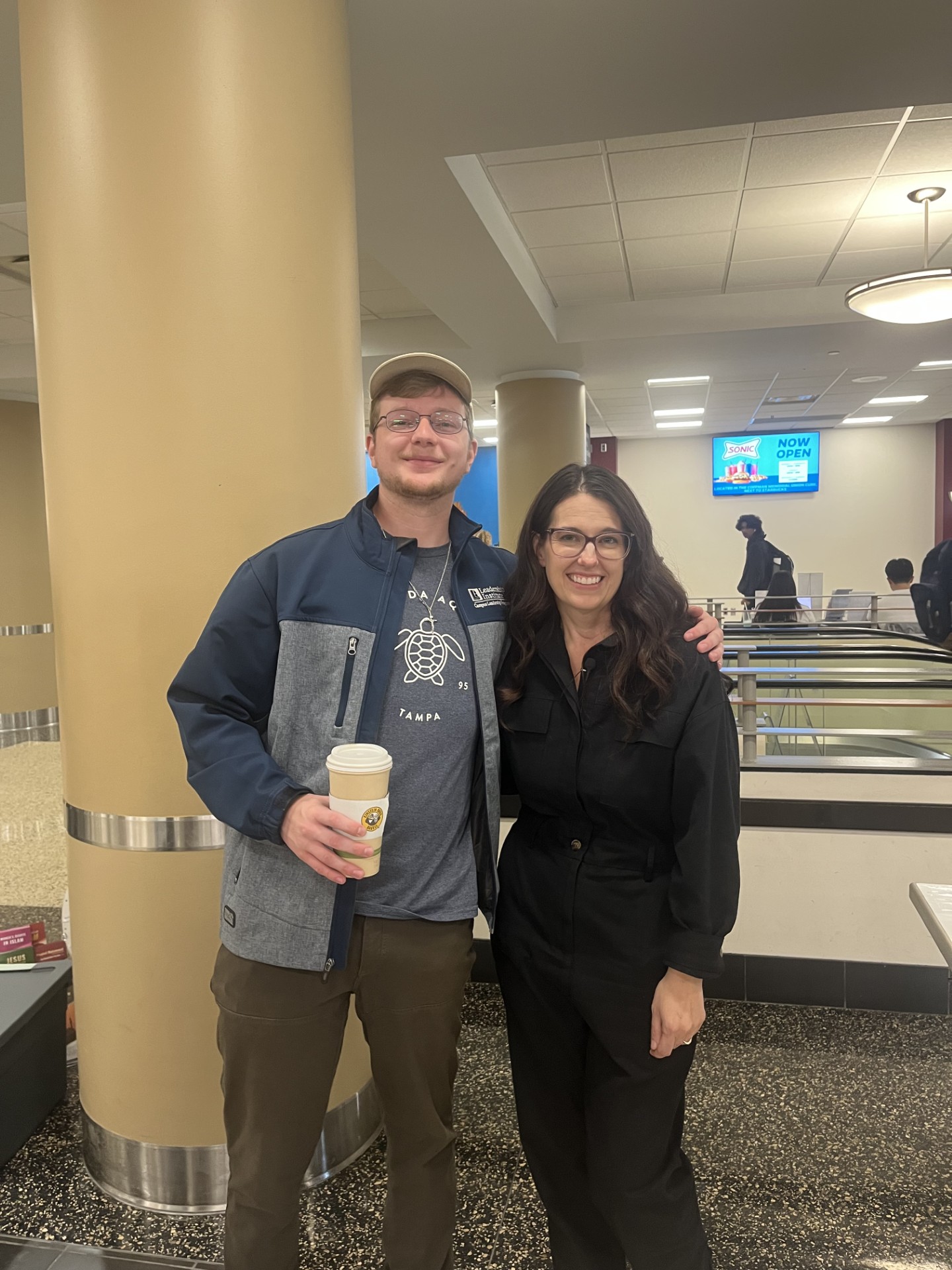
Alumni Highlight: From Marine Science to Pro-Life Leadership
16 Oct 2026
Students for Life Challenges the Entire 47-Member Democrat U.S. Senate Caucus to READ Reports of Abortion in the Water; Calls Their Letter to the EPA “A Compliment to Our Efforts”
15 Oct 2026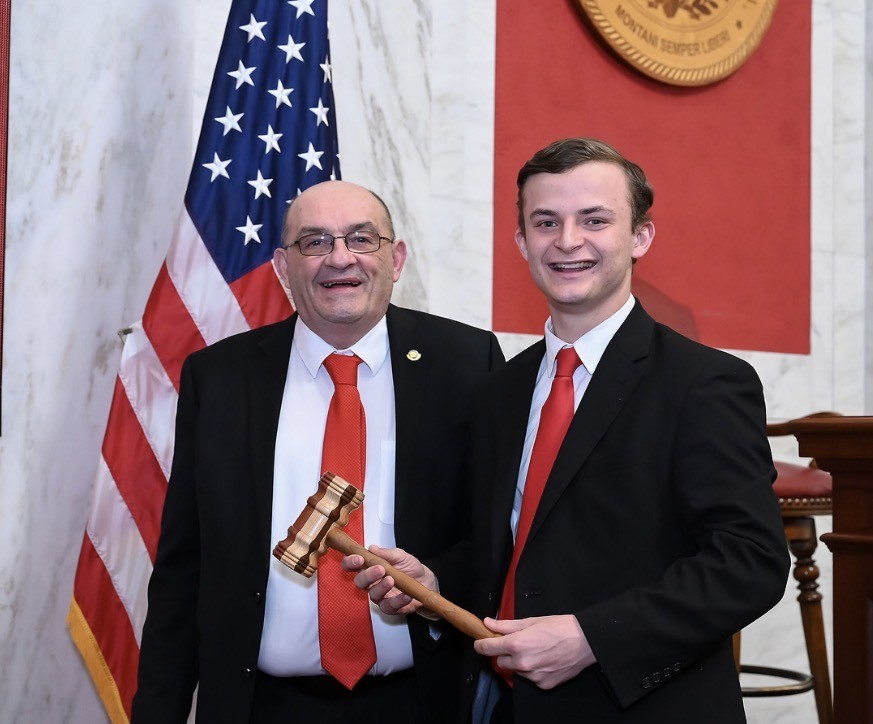
Meet Thomas Dinkle, Our National Leaders Collective’s October Leader of the Month
13 Oct 2026Categories
Abortion Death
about
Adverse Diagnosis
Assisted Suicide
Blog
Blogroll
Catholic
Celebrity
Chemical Abortion
Closing Abortion Facilities
college
College Students
Commentary
Conferences
Conscience Rights
Court
Diaper
End Student Abortions
Endangered Species
Entertainment
Environment
Events
Fall Med Tour
Featured
Free-Speech
high school
High School Students
Home
Homeschool
Idaho
Illinois
In the News
IVF
law students
Laws
Leaders
leadership
Med & Law
Med Students
Middle School
Must Reads
News
Planned Parenthood
Planned Parenthood Education
pro-life
ProLife Laws
Reducing Planned Parenthood's Influence
SFLA in the News
SFLA Press Feature
Spring Tour
Stem Cell Research
Students for Life Action
Subsites
Supporters
Supreme Court
Surrogacy
threats
Uncategorized
Virtual Media Package
Wrongful Death