
FROM SFLA NEWS
Mary Mobley - 17 Feb 2026
Washington, D.C. is commonly referred to as a cesspool. Most of the time, people don’t mean that literally — but now, they may have to.
What was once an idiom has now morphed into reality thanks to a massive January sewer pipe collapse — the largest wastewater spill in U.S. history — that’s caused up to 300 million tons of wastewater to flood the Potomac.
Obviously, that amount of wastewater isn’t healthy for anyone.
In fact, the spill has resulted in dangerous E. coli concentrations in the Potomac, with levels at one point reaching over 10,000 times the concentration considered safe by the Environmental Protection Agency.
For D.C. residents, that’s a major problem, and one that’s garnered attention at both local and federal levels (including from President Donald Trump himself).
That concern is well-warranted. Contaminated water poses a tremendous risk to both human and environmental safety, and it merits immediate attention.
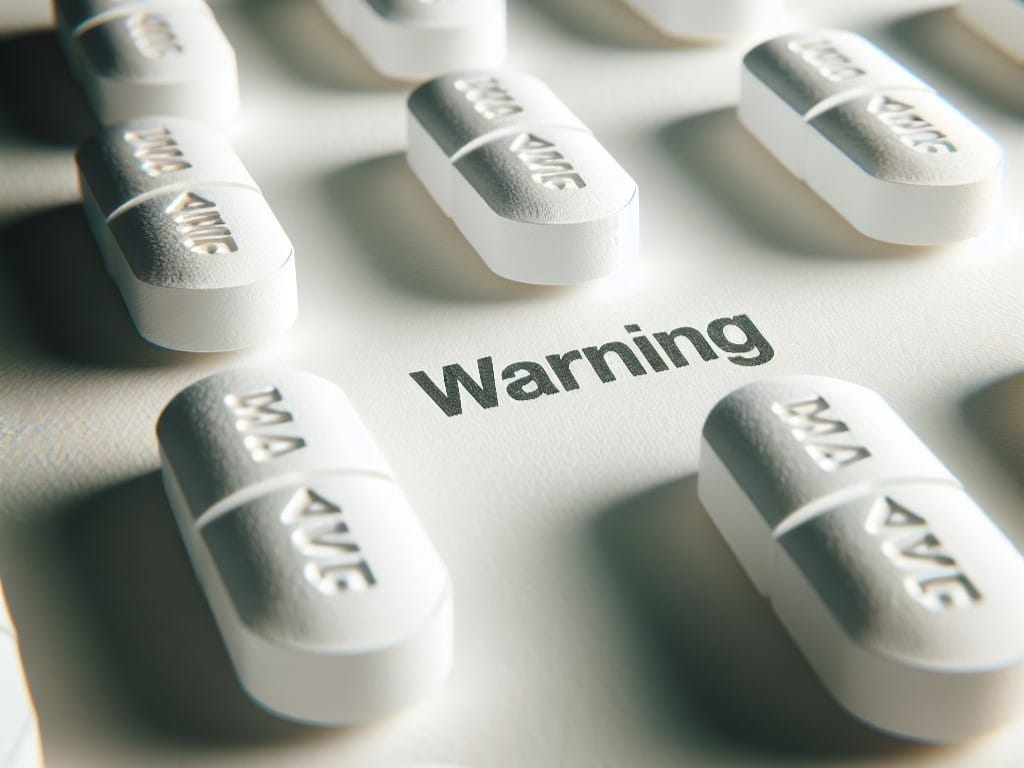
But what officials are overlooking is the fact that even without the waste spill, the Potomac may already have been contaminated by deadly Chemical Abortion Pills.
Today, over 60% of American abortions take place via chemical abortion pills, drugs that work by starving a preborn baby and then forcing a woman’s system to expel the dead body.
Obviously, that results in waste — blood, placenta tissue, and the baby’s body itself. Because most of these abortions take place at home, the first response is typically to flush it all down the toilet and into U.S. waterways.
But that waste doesn’t just disappear. Last week, for example, workers in a South Carolina water treatment plant found the dead body of a preborn baby lying in sewage for treatment.
Nor is that discovery a one-off. Studies show that over 50 tons of tainted waste enters American waterways every year thanks to Chemical Abortion Pills. That’s dangerous chemical waste that could cause infertility, increased cancer risk, hormone imbalance, and more.
Nor does that waste necessarily filter out. Studies in other countries have demonstrated that the metabolites, or active ingredients, in chemical abortion pills can remain in the water, causing serious risk to both wildlife and the environment.
What consequences does chemical abortion waste have in the U.S.? Unfortunately, we don’t know.
The last time the FDA conducted a safety review of chemical abortion-related water contamination was 30 years ago. At that point, the FDA concluded that not enough waste was being flushed into the water to pose a safety threat.
But since then, the use of chemical abortion pills has grown exponentially, increasing as much as 50-fold. Yet not a single study has examined whether this massive increase in chemical abortion waste flushed into American water has any sort of consequences.
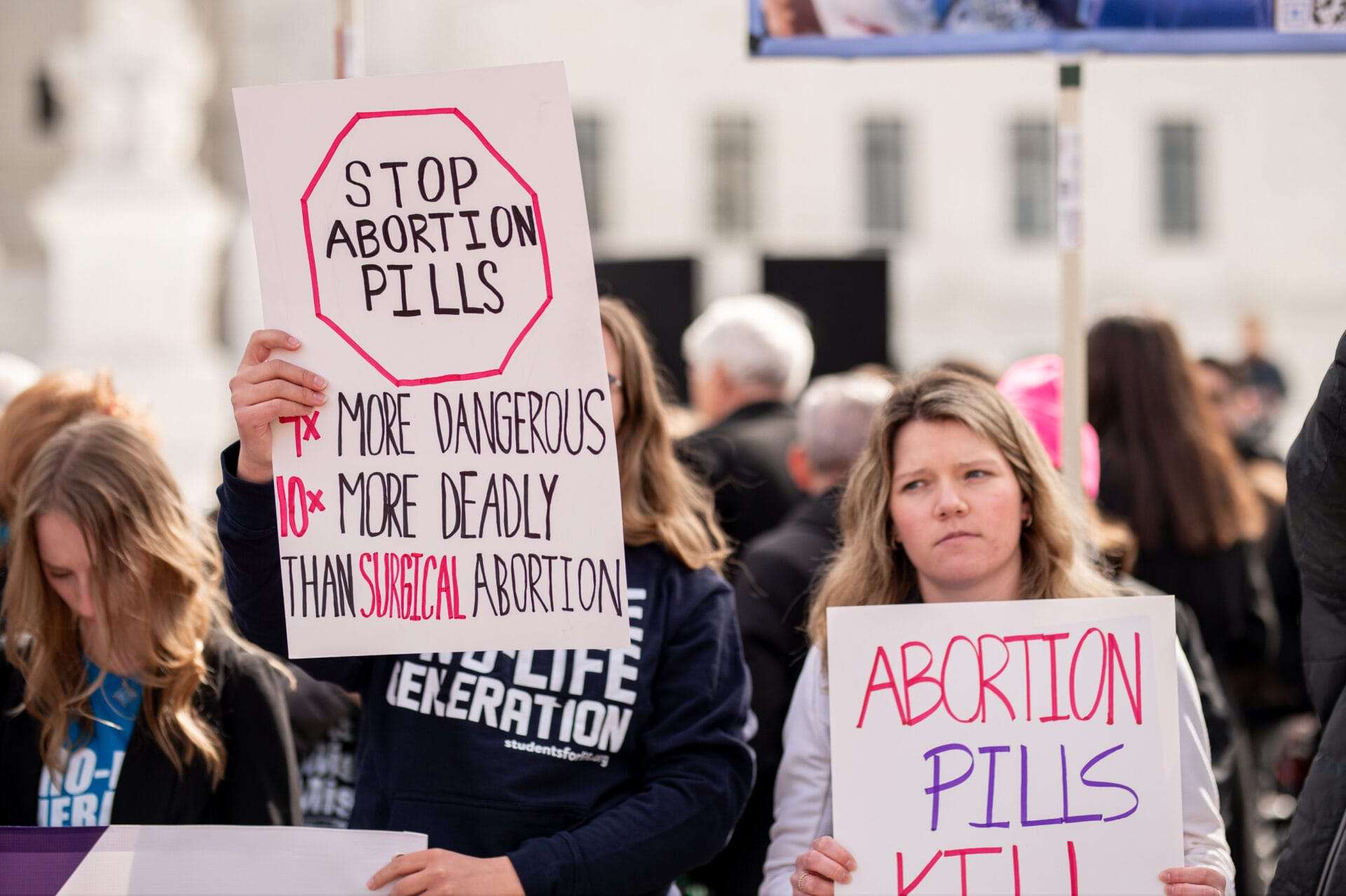
At Students for Life, we’ve been fighting for years to ensure every American has access to clean, abortion-free water. We’ve repeatedly asked the FDA to review the safety of Chemical Abortion Pills, especially when it comes to water. We’ve signed onto amicus briefs in cases suing the FDA for its failure to test whether Chemical Abortion Pill pollution harms the environment or endangered species. In December, we launched a nationwide campaign to ask the Environmental Protection Agency to add Chemical Abortion Pills’ active metabolites to the list of contaminants it tracks.
The response to D.C.’s wastewater spill shows that people care about clean water. That’s a fact supported by SFLA polling, which found that almost 9 in 10 youth voters want the government to study the environmental consequences of abortion waste.
But it shouldn’t take a disaster to force politicians to pay attention to everyday Americans’ water supply. Americans deserve to know whether their water is contaminated — and it’s far past time for the FDA to examine just that.
Share this post
Recent Posts
The Trump Administration Tells Texas Court “Oops, I did it again” & Ask that Legal Action Begun by Florida & Texas against the FDA Pause Until They Get Their Act Together
13 Mar 2026
Rev. Jesse Jackson Abandoned the Preborn — But His Early Pro-Life Wisdom Informs the Future of the Movement
13 Mar 2026
BREAKING: Gov. Bob Ferguson Expected to Sign Legislation Making WA State Nation’s Newest Chemical Abortion Pill Pusher
13 Mar 2026
ICYMI: Trump’s Department of ‘Justice’ Punts Legal Action Against Chemical Abortion Pills
10 Mar 2026Categories
Abortion Death
about
Adverse Diagnosis
Assisted Suicide
Blog
Blogroll
Chemical Abortion
Closing Abortion Facilities
college
College Students
Commentary
Conferences
Conscience Rights
Diaper
End Student Abortions
Events
Fall Med Tour
Featured
Free-Speech
high school
High School Students
Home
Illinois
In the News
IVF
law students
Laws
Leaders
leadership
Med & Law
Med Students
Middle School
Must Reads
News
Planned Parenthood
Planned Parenthood Education
pro-life
ProLife Laws
Reducing Planned Parenthood's Influence
SFLA in the News
SFLA Press Feature
Spring Tour
Stem Cell Research
Students for Life Action
Subsites
Supporters
Supreme Court
threats
Uncategorized
Virtual Media Package
Wrongful Death