
FROM SFLA NEWS

Brenna Lewis - 07 Apr 2026
Making the rounds again in mainstream news and alternative health circles alike is the chilling scientific conclusion that the combined oral contraceptive pill causes cancer. This news piques the interest of a huge swath of the American public, given roughly 9 million women take this specific form of birth control, with many millions more opting for other hormonal varieties (which come with their own risks). The question is: why does this data keep being treated like new information, even though the combined oral contraceptive pill has been classified by the World Health Organization (WHO) as a Class I carcinogen since 2008?
The “C” Word
Only a precious few diagnoses are capable of sparking the same alarm in a patient or loved one that “cancer” does. Though advancements in treatments have generally improved outcomes, cancer is the second-leading cause of death in the United States after heart disease. If you’re scratching your head thinking, “Cancer didn’t used to be so common, did it?” … you’d be correct.
Cancer diagnoses in patients under 50 years old have increased by 80% in the last three decades. Cancer deaths of adults in their 40s, 30s, or younger have increased by 27%. And young people are right to ask why.
No Such Thing as a Risk-Free “Off Switch”
Since its FDA approval in 1960, oral contraception has been billed to women as a simple, risk-free “off switch” for their reproductive systems. “Don’t want a baby? Take this drug every day and your uterus and ovaries can be just for show, for as long as you feel like it. Want a baby? Stop taking the drug and, poof, everything’s back online.” That concept should strike the average person as “too good to be true.”
Yet, when young women see the cancer data and ask questions, it falls on deaf ears and the drugs continue to be sold en masse, with cancer risk conveniently shushed. Take breast cancer, for instance. It has seen the most significant jump in cases and deaths across cancers since 1990, and Cancer.gov notes:
Overall, women who were using or had recently stopped using oral combined hormone contraceptives had a modest (about 20%) increase in the risk of breast cancer compared with women who had never used oral contraceptives. The risk increase varied from 0% to 60%, depending on the specific type of oral combined hormone contraceptive. The risk of breast cancer also increased the longer oral contraceptives were used. [emphasis added]
Many American women take these contraceptives their entire reproductive lives, from their teens through their 40s (perhaps with a few procreative breaks mixed in). Not to mention, we know contraceptive chemicals are present in the water supply and hormonal birth control is prescribed as “medicine” for conditions unrelated to preventing pregnancy. Its use is prolific enough to merit more than a raised eyebrow.
Faith or No Faith: It’s an Issue
A significant portion of Americans take issue with contraception for faith-based reasons, but secular and religious women alike ought to be able to agree on the importance of the potential health risks at play. Though it’s too often partisan where it shouldn’t be, there are glimmers of hope, as in Florida where a doctor who opposes hormonal contraception has been appointed to the state’s Board of Medicine.
For every one web article that states the cancer risks of birth control, there are ten that downplay them. For every one elected official with concerns about the drugs’ safety, there seem to be twenty ready to shut down the conversation, insisting that birth control can do no wrong. Women deserve more than gaslighting and having their legitimate questions shut down (or in some cases, shouted down).
In a modern world full of suspected carcinogens like microplastics, pesticide residue, and synthetic food additives, no one’s suggesting that birth control is the lone suspect in the case. But for something as important as a drug taken every day by many millions of young women, full transparency and exhaustive research is mandatory.
Share this post
Recent Posts
Women Were Told the Pill Was Safe. The Science Says Otherwise.
07 Apr 2026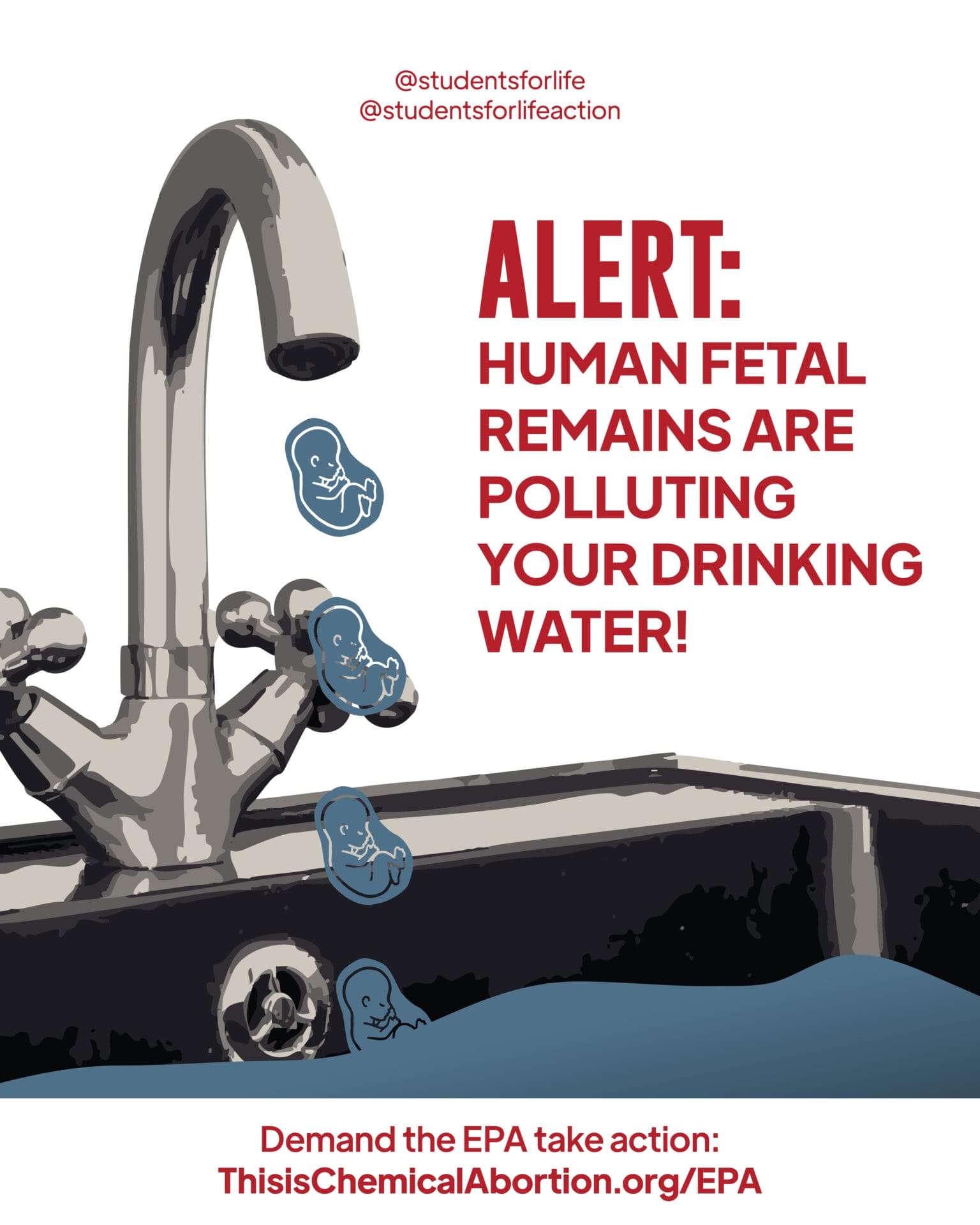
Students for Life Calls on the EPA to Add Forever Chemicals in Mifepristone to Contaminants List
02 Apr 2026
Supreme Court Takes Up Birthright Citizenship—And Ignores Rights of Preborn Babies
01 Apr 2026
Equipped for Courage: Julia Heth’s Path from Pro‑Life Advocacy to Missionary Work
01 Apr 2026Categories
Abortion Death
about
Adverse Diagnosis
Assisted Suicide
Blog
Blogroll
Chemical Abortion
Closing Abortion Facilities
college
College Students
Commentary
Conferences
Conscience Rights
Diaper
End Student Abortions
Events
Fall Med Tour
Featured
Free-Speech
high school
High School Students
Home
Illinois
In the News
IVF
law students
Laws
Leaders
leadership
Med & Law
Med Students
Middle School
Must Reads
News
Planned Parenthood
Planned Parenthood Education
pro-life
ProLife Laws
Reducing Planned Parenthood's Influence
SFLA in the News
SFLA Press Feature
Spring Tour
Stem Cell Research
Students for Life Action
Subsites
Supporters
Supreme Court
threats
Uncategorized
Virtual Media Package
Wrongful Death
