
FROM SFLA NEWS

Nicholas DeSimone - 21 Sep 2026
For nearly two years, Students for Life of America (SFLA) and Students for Life Action (SFLAction) have pursued one overriding federal objective: ending taxpayer support for Planned Parenthood. Now, our argument to the Trump Administration is that much of the groundwork for a federal debarment review has already been done.
SFLAction was calling for Planned Parenthood to be both defunded and debarred in its FY2025 appropriations priorities before President Trump returned to office.
Then came an enormous grassroots campaign.
In January 2025, SFLAction brought more than 50,000 signed petitions to Washington calling for Planned Parenthood to be defunded and debarred. That total later grew to more than 57,000 petitions delivered to Speaker Mike Johnson.
SFLA took the message outside Washington, too. Its 2024-25 campaign included more than 100 campuses, more than 100 community rallies, 66 congressional district-office visits, 13 literature drops and two nationwide webcasts. SFLA’s national television and digital campaign reached nearly 45 million Americans.
In March and April 2025, SFLA organized more than 100 “Defund Planned Parenthood” Life Chain events across 33 states and Washington, D.C., followed by a seven-state billboard campaign aimed at building public pressure.
SFLAction simultaneously worked in Congress, calling for reconciliation legislation, contacting every Republican on three key House and Senate committees, making hundreds of congressional calls, and organizing constituent visits to district offices.
When the House proposed removing qualifying abortion providers from Medicaid funding for 10 years, SFLAction pressed senators to preserve that language. The final law imposed the restriction for one year, beginning July 4, 2025, according to the Congressional Research Service.
Because of SFLA’s pressure, what others considered impossible was accomplished: Planned Parenthood was defunded.
That victory shifted SFLAction’s focus to total debarment.
In October 2025, Kristan Hawkins asked the Small Business Administration in a letter to investigate Planned Parenthood for debarment. SFLAction cited allegations involving PPP eligibility, Medicaid fraud, fetal-tissue practices, health-and-safety violations, failures to report sexual abuse, and workplace discrimination.
SFLAction then assembled more than 50 pro-life and pro-family leaders and legislators behind a letter asking the Administration to begin the process. Hawkins also delivered more than 10,000 additional petitions to the SBA, while activists protested at Planned Parenthood facilities and conducted congressional outreach.
Something consequential followed.
In January 2026, the SBA opened a review of more than $88 million in PPP loans issued to 38 Planned Parenthood affiliates, demanding documentation demonstrating their eligibility. The agency said affiliates found to have submitted incorrect or false eligibility certifications could face repayment, loss of loan forgiveness, or referral for civil or criminal penalties.
SFLA continued pressing other agencies. In March, Hawkins sent a letter asking Attorney General Pam Bondi and the Justice Department to pursue Planned Parenthood debarment alongside SFLA’s separate push for Comstock Act enforcement.
Through spring 2026, SFLAction organized district lobby days in 14 cities, another national mobilization and an emergency “Countdown to Defund Planned Parenthood” webcast.
Congress ultimately allowed the one-year Medicaid restriction to expire in July.
So, SFLAction returned to the executive branch.
On September 9, SFLAction announced that nearly 40 national pro-life and pro-family organizations had joined letters to HHS, DOJ, SBA, and Treasury calling for the Administration to prioritize and complete a debarment investigation.
Unlike legislation that can face a 60-vote cloture hurdle in the Senate, federal debarment is an executive branch administrative process. Under the Federal Acquisition Regulation (FAR), debarment requires an agency official to evaluate legally recognized causes, the seriousness of the conduct, mitigating circumstances, remedial measures and the entity’s present responsibility.
Additionally, unlike defunding, which can be reversed or limited in scope, debarment bans Planned Parenthood from doing business with any federal agency or contractor for up to three years. It cuts not just Medicaid, but Title X grants and indirect funding through third-party contractors. There is no congressional vote, much less a 60-vote Senate requirement, in that process — the Trump Administration can act on its own authority.
SFLA’s message to the Administration is straightforward: it has spent nearly two years generating petitions, lobbying Congress, organizing activists, building a national coalition, documenting allegations, formally petitioning agencies and keeping the issue before federal officials. Because of this, an SBA investigation is already underway.
The political campaign has been built. The allegations have been submitted. The coalition has been assembled. The petitions have been delivered.
What remains is the federal government’s determination of whether the evidence satisfies the legal standards for debarment.
Dear Trump, all we ask is that you consider the evidence provided and make the final decision on Planned Parenthood’s debarment before you leave office.
Share this post
Recent Posts
FDA Used BUNK Science to Justify Loosening Chemical Abortion Pill Safety Standards, New Study Shows
09 Oct 2026
FDA Chemical Abortion Pill Status Report NOT ENOUGH: Ignores Real-World Harms to Babies & Mothers from Unsafe Practice, Abortion Water Pollution, & Risks to Endangered Species, Slow-walks RESULTS
07 Oct 2026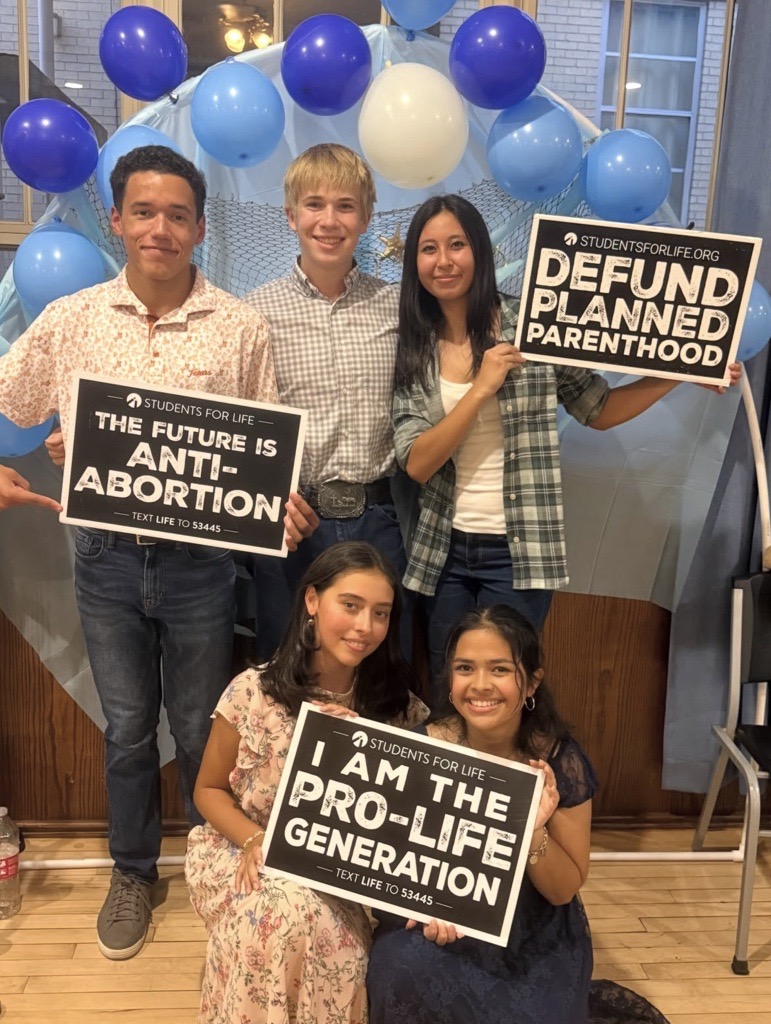
Austin Homeschool Students for Life Named September Group of the Month
07 Oct 2026
Texas Christians: James Talarico’s Theology Leaves Out the Bible; Don’t Buy it! Kristan Hawkins Has the Receipts in Op-Ed for The Daily Wire
07 Oct 2026Categories
Abortion Death
about
Adverse Diagnosis
Assisted Suicide
Blog
Blogroll
Catholic
Celebrity
Chemical Abortion
Closing Abortion Facilities
college
College Students
Commentary
Conferences
Conscience Rights
Court
Diaper
End Student Abortions
Endangered Species
Entertainment
Environment
Events
Fall Med Tour
Featured
Free-Speech
high school
High School Students
Home
Homeschool
Idaho
Illinois
In the News
IVF
law students
Laws
Leaders
leadership
Med & Law
Med Students
Middle School
Must Reads
News
Planned Parenthood
Planned Parenthood Education
pro-life
ProLife Laws
Reducing Planned Parenthood's Influence
SFLA in the News
SFLA Press Feature
Spring Tour
Stem Cell Research
Students for Life Action
Subsites
Supporters
Supreme Court
Surrogacy
threats
Uncategorized
Virtual Media Package
Wrongful Death