
FROM SFLA NEWS
Jose Guzman-Martinez - 04 May 2026
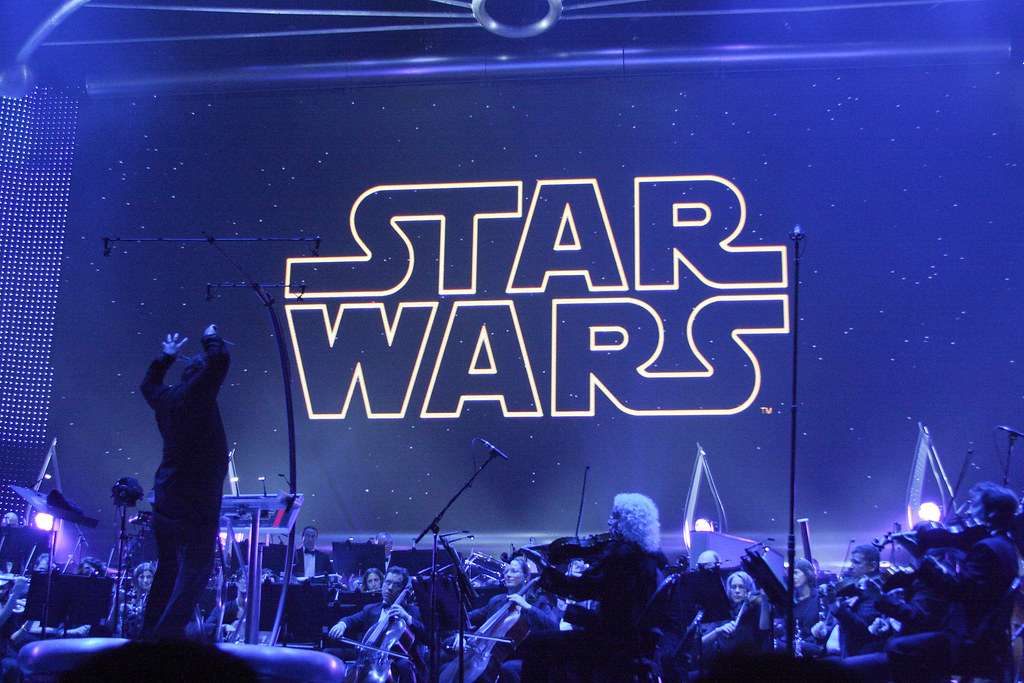
First released in May of 1977, Star Wars is still going strong and has even recently accomplished something rare—unified praise from both critics and audiences—with the new Maul: Shadow Lord. But beyond the action and spectacle, the series has sparked deeper conversations about how people fall into darkness. Surprisingly, it raises questions that resonate far beyond the galaxy far, far away: how neglect shapes a person’s path, how abandonment pushes individuals toward destructive choices, and how a society’s failure to care for its most vulnerable can have devastating consequences. In many ways, the show becomes an unexpected meditation on the real‑world debate over life, dignity, and the consequences of turning people away when they need help most.
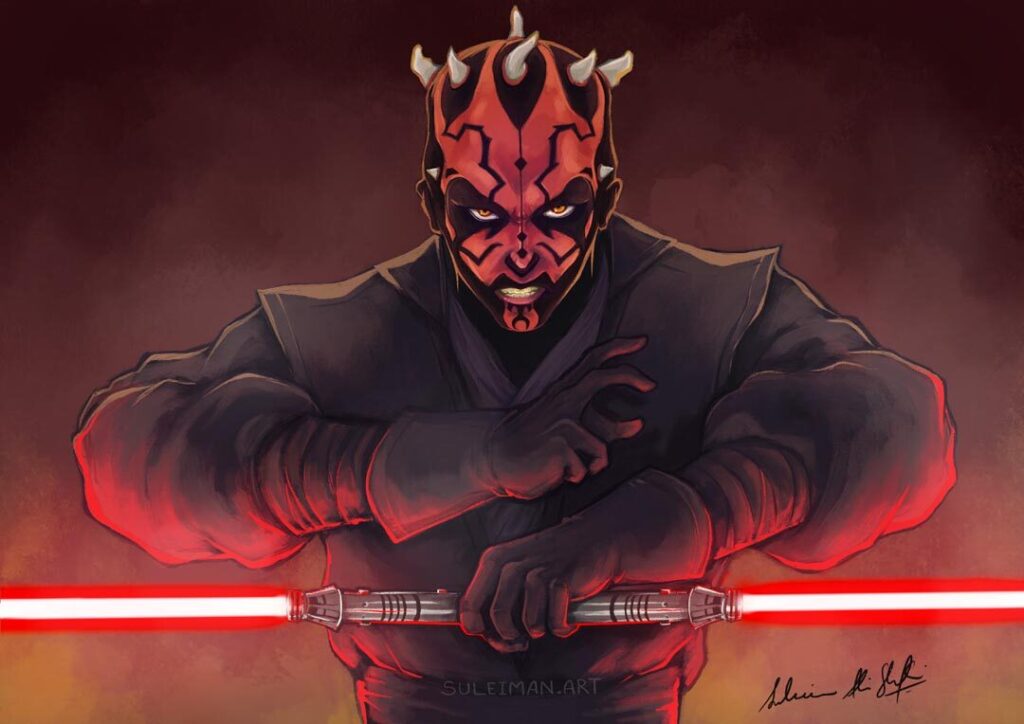
Shadow Lord reframes Darth Maul not simply as a villain, but as someone shaped & twisted by profound neglect. He is taken, used, weaponized, and discarded. No one protects him, guides him, or affirms his worth. He is treated as a tool rather than a person, and that dehumanization becomes the seed of his rage. Maul becomes a symbol of what happens when a society treats individuals as burdens or objects rather than as lives worth nurturing. His descent mirrors the way people in the real world can be pushed toward harmful choices when they feel unseen, unsupported, or abandoned.
This theme echoes throughout the saga. Anakin Skywalker’s fall is not a sudden corruption, but a slow erosion caused by emotional neglect. The Jedi Order, rigid and detached, fails to see his fear, his trauma, and his need for genuine support. Instead of compassion, he receives lectures. Instead of guidance, he receives suspicion. Instead of mentorship, he receives distance from all except Obi-Wan Kenobi. When people feel unheard, they often turn inward, trusting only themselves… and that isolation can be dangerous. In the real world, many people who feel cornered end up turning to institutions like Planned Parenthood that promise quick solutions but ultimately deepen their wounds.
Against this backdrop, Qui‑Gon Jinn stands out as the saga’s most profoundly pro‑life figure. He sees value where others see inconvenience. He listens to the Force when others listen to fear. He recognizes Anakin not as a threat, but as a child with dignity and purpose. Qui‑Gon’s compassion is radical because it is rooted in faith: that every life matters, even when that life is complicated, unexpected, or inconvenient. He refuses to treat people as expendable or predetermined. He challenges the Jedi Council’s cold detachment, insisting that the living Force—the presence of life itself—is more important than tradition or politics. In a universe filled with characters who justify harm for the “greater good,” Qui‑Gon insists that the good is found in the protection of the vulnerable.
The clones add another layer to this moral landscape. Their existence raises profound ethical questions about what happens when life is engineered rather than welcomed. The saga unintentionally exposes the problems of treating life as a product, like IVF does; the clones’ accelerated aging, their identity crises, their lack of autonomy, and their expendability all highlight the dangers of creating human beings for instrumental purposes. Many clones struggle with the knowledge that they were designed for war, not born into a family. They grapple with purpose, individuality, and the desire to be seen as more than numbers. Their story becomes a quiet but powerful argument against the idea that life can be engineered, controlled, or commodified without moral consequence. It shows that when life is created for utility rather than love, suffering inevitably follows.

Yet Star Wars never leaves us in despair. Even in the darkest moments, characters like Obi‑Wan, Ahsoka, Cal Kestis, Padmé Amidala, and even some clones choose compassion over fear. They refuse to let neglect define them or the people around them. They show that the cycle of abandonment can be broken. Their stories mirror a real‑world truth: people turn to destructive choices, like abortion, when they feel they have no other options. When society fails to support mothers, families, and children, it pushes them toward institutions that promise help but profit from despair. The heroes of Star Wars remind us that the answer is not judgment or abandonment, but real, sacrificial presence.
In the end, Maul: Shadow Lord and the broader Star Wars saga offer a powerful collective message: neglect breeds darkness, but compassion restores hope. Every life, no matter how small or vulnerable, deserves protection. When we fail to provide that, we risk creating our own versions of the tragedies we see on screen. Star Wars has always been about hope. And hope begins with valuing every life fearlessly, faithfully, and without exception.
Share this post
Recent Posts
From Campus Tables to Pregnancy Center Service: How Students for Life Helped Me Find My Place in the Pro-Life Movement
22 Jul 2026
Students for Life of America Alumni Highlight: Clare’s Pro-Life Project Continues to Impact Her Community
22 Jul 2026
To Address Possible Causes of Infertility, the EPA Must Look at Chemical Abortion Pills in Our Water: Kristan Hawkins at the Washington Examiner
20 Jul 2026
THE FIGHT FOR PRO-LIFE FREE SPEECH: ADF Files Appeal in Students for Life’s ‘Black Preborn Lives Matter’ D.C. Sidewalk Chalking Arrests Case
20 Jul 2026Categories
Abortion Death
about
Adverse Diagnosis
Assisted Suicide
Blog
Blogroll
Catholic
Celebrity
Chemical Abortion
Closing Abortion Facilities
college
College Students
Commentary
Conferences
Conscience Rights
Court
Diaper
End Student Abortions
Endangered Species
Entertainment
Environment
Events
Fall Med Tour
Featured
Free-Speech
high school
High School Students
Home
Illinois
In the News
IVF
law students
Laws
Leaders
leadership
Med & Law
Med Students
Middle School
Must Reads
News
Planned Parenthood
Planned Parenthood Education
pro-life
ProLife Laws
Reducing Planned Parenthood's Influence
SFLA in the News
SFLA Press Feature
Spring Tour
Stem Cell Research
Students for Life Action
Subsites
Supporters
Supreme Court
threats
Uncategorized
Virtual Media Package
Wrongful Death