
FROM SFLA NEWS
Kristi Hamrick - 12 Jun 2026
Earlier this week, 14 state attorneys general called on the Environmental Protection Agency (EPA) to track mifepristone – the first of two drugs used for abortion – and determine the extent of Chemical Abortion Pill pollution in our water.
The very next day saw yet another huge victory, as 19 members of Congress sent a similar letter to the EPA expressing their concerns about Chemical Abortion water pollution.
Momentum is building across America from many who want to know if they are drinking other people’s abortions.
Led by U.S. Sen. James Lankford and U.S. Rep. Josh Brecheen, the members who signed the letter included:
Representatives Chris Smith, Michael Cloud, Brian Babin, Andy Biggs, Mark Harris, Eli Crane, Paul Dosar D.D.S., Mary Miller, Chuck Fleischmann, Chip Roy, Marlin Stutzman, Troy Downing, Sheri Biggs, Mark Messmer, Ben Cline, John Rose, and John McGuire.
Their comments come in response to an SFLA campaign that launched earlier this year to ask the EPA to add mifepristone to the “Safe Drinking Water Act” as a “contaminant of concern.” That’s government speak for “Don’t Drink That.”
The EPA was weighing the addition of new hazards to its contaminants list this year, leading to SFLA’s call to concerned citizens nationwide to demand that mifepristone, the first deadly drug used for chemical abortions, be tracked.
For months, SFLA met with leaders and activists to build a coalition and add concerns about abortion water pollution to the many other reasons to oppose reckless distribution of deadly Chemical Abortion Pills.
Starting in 2000, Democrat presidents forced the two-drug abortion protocol onto the U.S. market and then began deregulating. Under the Biden administration, almost all health and safety standards were repealed or ignored, and the Comstock Act, which forbids deadly drugs for abortion to be mailed, was said to be meaningless.
As a result, more than 50 tons of chemically tainted blood, placenta tissue, and human remains are flushed into America’s waterways each year, according to the speculation of the Planned Parenthood-founded Guttmacher Institute. Frankly, the amount is likely much higher.
Those chemicals don’t just disappear. Instead, mifepristone has active ingredients that don’t deactivate even after passing through the human body.
In their letter to the EPA, the members of Congress wrote: “Especially as the use of mifepristone has risen, its impact on drinking water should be closely researched and monitored. EPA should work to determine whether the active metabolites that enter our nation’s water system through mifepristone abortions threaten access to safe drinking water. EPA should also study whether the level of mifepristone present in the nation’s water system could cause endocrine disruption.”
Members of Congress, attorneys general, doctors, environmentalists, and citizens are all saying the same thing: We want to know what’s in the water. And it’s the EPA’s responsibility to check.
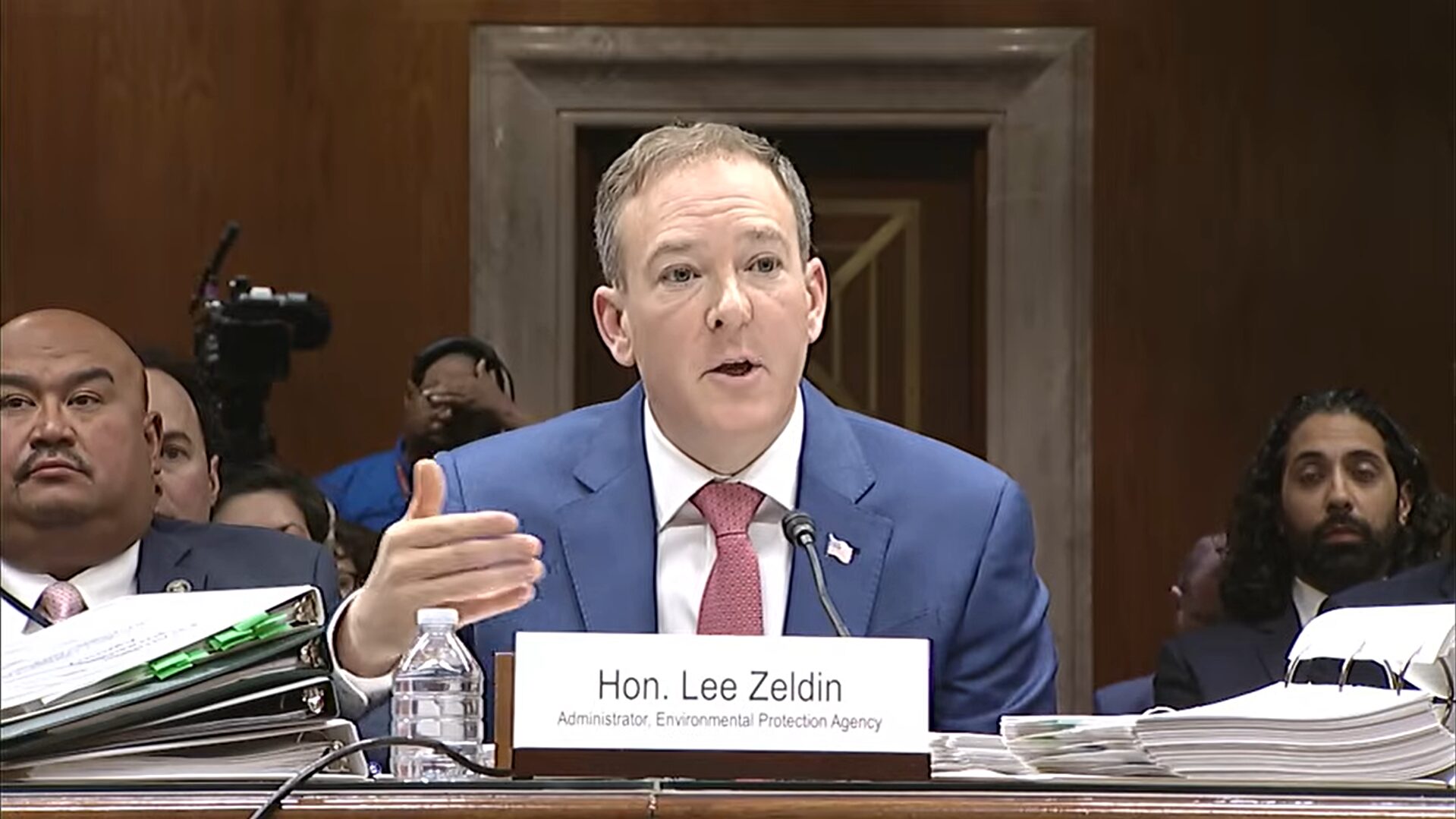
EPA Administrator Lee Zeldin, please add mifepristone to the list of things that we need to learn more about. Please tell us how much abortion we’re drinking.
READ MORE: Every State Should Want Clean Water — If Not For Us, For Our Nation’s Endangered Species
AND READ EVEN MORE: What Laws Protect Our Water?
Share this post
Recent Posts

She Was in Labor When We Knocked! Powerful Stories From Our 2026 Summer of Service
16 Oct 2026
Alumni Highlight: From Marine Science to Pro-Life Leadership
16 Oct 2026
Students for Life Challenges the Entire 47-Member Democrat U.S. Senate Caucus to READ Reports of Abortion in the Water; Calls Their Letter to the EPA “A Compliment to Our Efforts”
15 Oct 2026
Meet Thomas Dinkle, Our National Leaders Collective’s October Leader of the Month
13 Oct 2026Categories
Abortion Death
about
Adverse Diagnosis
Assisted Suicide
Blog
Blogroll
Catholic
Celebrity
Chemical Abortion
Closing Abortion Facilities
college
College Students
Commentary
Conferences
Conscience Rights
Court
Diaper
End Student Abortions
Endangered Species
Entertainment
Environment
Events
Fall Med Tour
Featured
Free-Speech
high school
High School Students
Home
Homeschool
Idaho
Illinois
In the News
IVF
law students
Laws
Leaders
leadership
Med & Law
Med Students
Middle School
Must Reads
News
Planned Parenthood
Planned Parenthood Education
pro-life
ProLife Laws
Reducing Planned Parenthood's Influence
SFLA in the News
SFLA Press Feature
Spring Tour
Stem Cell Research
Students for Life Action
Subsites
Supporters
Supreme Court
Surrogacy
threats
Uncategorized
Virtual Media Package
Wrongful Death